
Color Testing
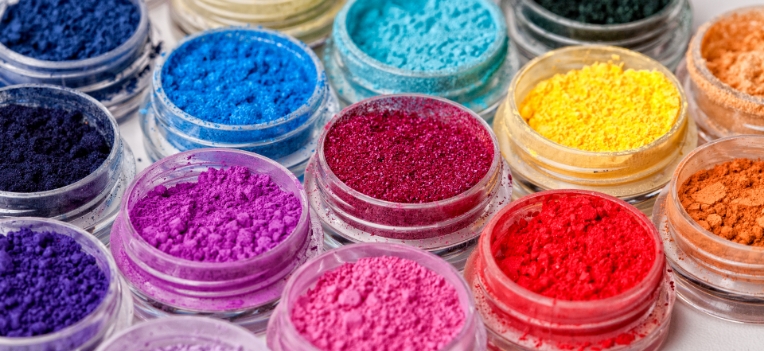
Color plays a significant role in the visual representation of the food that we eat, along with other elements like flavors, taste, etc. as it severely impacts the buying decision of the consumer. Food color is a pigment, dye, or some substance that is made by a process of synthesis, extraction, or otherwise derived from vegetables, or other sources that when added to a food impart color to it. It finds applications in various food items like Dairy, spices, ice-creams, baked goods, desserts, snacks, processed food products, etc. Many manufacturers in the food industry face the key challenge to ensure the quality of the product is high and displaying optimal performance while paramount ‘Product Safety’ by assessing the presence of potentially harmful chemicals.
Cultivator Phyto Lab is your one-stop partner for color testing services, our advanced and high-tech laboratories, supports and offer a range of testing services for potential allergens or active substances in the edible colors used by the industry for their products.
Natural Color Testing
|
Caramel |
|
Cochineal |
|
Curcumin |
|
Annatto |
|
Chlorophyll |
|
Betanin |
Synthetic Color Testing
| Brilliant Blue |
| Allura Red AC |
| Carmosine |
| Sunset Yellow |
| Indigo Carmine |
| Erythrosine |
| Fast Green |
| Ponceau 4R |
| Tartrazine |
NEWS AND BLOGS
Find up to date information, news releases, and corporate publications for Cultivator Phyto Lab customers
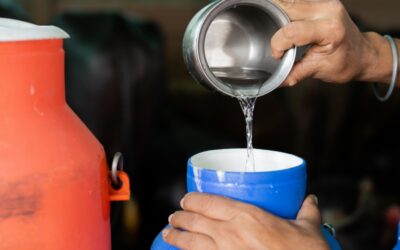
New Trends of Food Adulteration
Adulteration is the addition of intentionally or unintentionally any resemble cheap ingredients to main food and food products or removing valuable ingredients like essential oil from spices to alter the quality of food and make illegal profit even if it may cause...
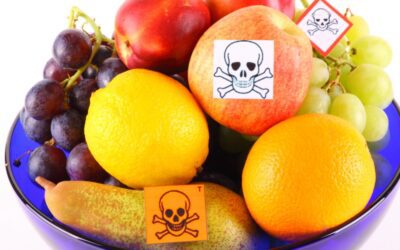
Carbides are adulterants used to rapidly ripen fruits & vegetables
Most of fruits commonly use artificial fruit ripening calcium carbide, which causes health hazards to society at the community level.

Effect of Uric Acid on Human Health
Uric acid is an end product of purine which is produced during metabolic activity in humans while in animals’ uric acid is converted into allantoin with the help of the uricase enzyme. A normal amount of uric acid in blood does not have any complication in our health...