
Alcoholic Beverages Testing
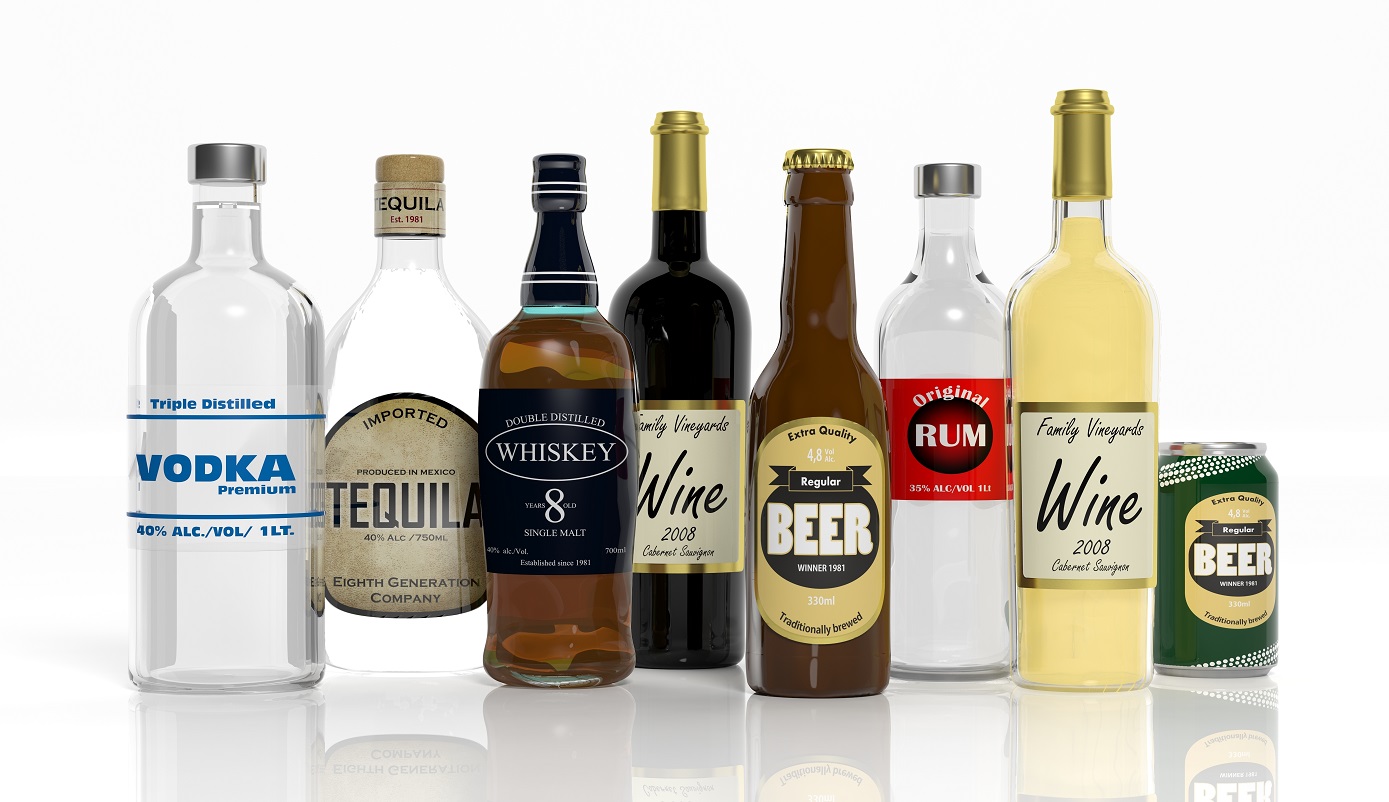
Alcoholic beverages constitute an ever-growing market. In the recent times, a plethora of new regulations and policies pertaining to alcoholic beverages have been implemented. Quality assurance and quality control have become integral part of the manufacturing process. The full-service laboratory, Cultivator Phyto Lab, adheres to transparent quality testing methodologies to ensure alcoholic beverages’ consistency along with numerous other analyses. Some of the tests are:
- Gluten Testing
- Shelf Life & Product Stability Testing
- Brewer’s Specifications (ABV, IBUs, pH, and more)
- Nutritional Testing
- Caffeine Content
- Fat determination in beverages
- Fatty acids in drinks
- Microbiology Testing
- Alcoholic Content
- Sensory Panel
Alcoholic beverages are also classified based on their source product. The formation also depends on incorporation of various substances that impart aroma, flavour, overall sensory and nutritional attributes. This should be understood that alcoholic beverages have low pH values, and they easily attract pathogenic microorganisms. Evaluation of microbiological aspects of an alcoholic beverage also includes spoilage through non spore forming bacteria like clostridium species which attack grains and malt. Time and temperature are also crucial as they affect the quality of the beverages by changing the flavour and other sensory attributes.
Cultivator Phyto Lab usually go for Alcohol by Volume (ABV) testing (using both distillation and gas chromatography) and determines how many millilitres of ethanol is present in 100 ml of the beverage. National and International regulatory authorities are in place to check and examine the quality of alcoholic beverages before it reaches the customer. It is strongly recommended to follow all regulations to have smooth functioning in the business. With an accurate lab result, producers can correct and improve their beverages to be sanctioned by authorities.
The list of parameters that Cultivator Phyto Lab consider in testing alcoholic beverages are –
- Alcoholic Content Testing
- Higher alcohols
- Aldehydes
- pH
- Methanol
- Ethyl acetate
- Organic acids: Lactic acid, Malic acid, citric acid, tartaric acid, acetic acid, total acid
- Density
- Reducing sugar
- Sugar Profiling-Glucose & Fructose
- Degree Brix
- CO2
- Brightness and hue
- Bio-burden studies
- Tannins
- Phthalates
- Yeast Viability Testing
- Aerobic bacteria culture
- Lactobacillus
NEWS AND BLOGS
Find up to date information, news releases, and corporate publications for Cultivator Phyto Lab customers
New Trends of Food Adulteration
Adulteration is the addition of intentionally or unintentionally any resemble cheap ingredients to main food and food products or removing valuable ingredients like essential oil from spices to alter the quality of food and make illegal profit even if it may cause...

Carbides are adulterants used to rapidly ripen fruits & vegetables
Most of fruits commonly use artificial fruit ripening calcium carbide, which causes health hazards to society at the community level.

Effect of Uric Acid on Human Health
Uric acid is an end product of purine which is produced during metabolic activity in humans while in animals’ uric acid is converted into allantoin with the help of the uricase enzyme. A normal amount of uric acid in blood does not have any complication in our health...