
Test for Adulterants
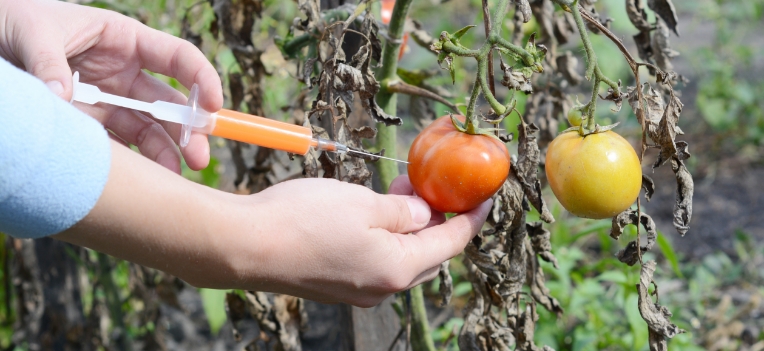
Cultivator Phyto Lab offers various tests in identifying adulterants in various food. Food adulteration considers not only the intentional addition or substitution or abstraction of substances that adversely affect the nature, substances, and quality of foods, but also their incidental contamination during the period of growth, harvesting, storage, processing, transport, and distribution. Although simple forms of adulteration like the addition of water to milk and colored starch to turmeric are still prevalent, newer forms and types of adulteration are emerging such as urea in puffed rice to improve texture; injecting color into poor quality fruits and vegetables; addition of urea, sodium carbonate, sodium hydroxide, formaldehyde, and hydrogen peroxide to increase shelf life of milk, etc. Many adulterants might prove to be a hazard to our health especially if consumed over a long period.
Edible Oils
Castor Oil, Mineral Oil, Argemone oil, Sesame oil, Cottonseed oil, linseed oil, Karanja oil, Kusum oil, Oil-soluble colors, Aflatoxins, Pesticide residues, and cheaper vegetable oils.
Spices
Non-permitted colors (Sudan red, Malachite green, Rhodamine B), Mineral oil coating, Husk starch, Foreign seeds/resins, Extraneous matter.
Non-Alcoholic Beverages
Saccharin, Dulcin, Brominates vegetable oil, Non-permitted colors, and excessive permitter colors.
Confectionery, sweets, savories
Non-permitted colors, Aluminum foil, Permitted color more than the permitted limit.
Coffee
Chicory, Date or tamarind seeds, Artificial color.
Tea
Colour, Iron filings, Foreign leaves
Cereals and Cereal Products
Fungal infestation, pesticide residues, sand, dirt, foreign starch, powdered chalk, iron filings.
NEWS AND BLOGS
Find up to date information, news releases, and corporate publications for Cultivator Phyto Lab customers

Microplastics in Food & Water – A Health Hazard?
The term coined in the year 2004 – ‘microplastics’ – has become a global concern today, especially for scientists and researchers. Various studies in the last decade have established the presence of microplastics in food and water. The burning question here is – Do...
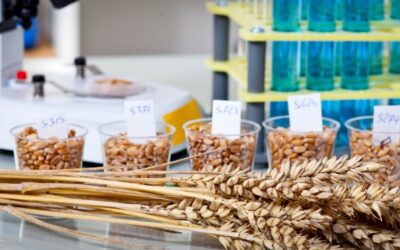
Proximate Analysis: Ensure your food quality
The quality of food products & beverages is the driving force that imparts the first impression of your brand. It is quintessential to survivability in today's competitive market. This is the 'health card' of your product that consumers are interested in these...
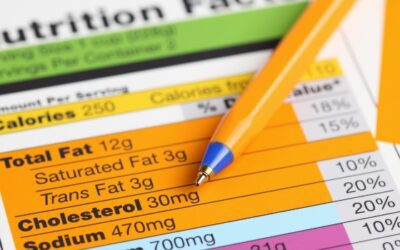
Why is everyone talking about Nutritional Analysis?
Since the advent of science and technology, a lot has changed today. This also includes the changed purchasing habits. Customers don’t buy food & beverages without checking the nutritional labeling. This is precisely one of the reasons why ‘Nutritional Analysis’...