
Test for Adulterants
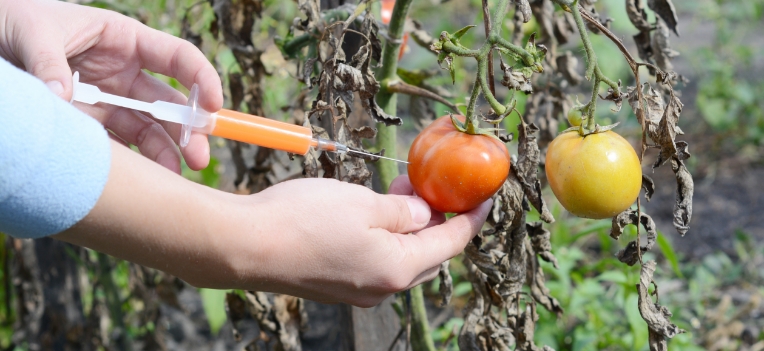
Cultivator Phyto Lab offers various tests in identifying adulterants in various food. Food adulteration considers not only the intentional addition or substitution or abstraction of substances that adversely affect the nature, substances, and quality of foods, but also their incidental contamination during the period of growth, harvesting, storage, processing, transport, and distribution. Although simple forms of adulteration like the addition of water to milk and colored starch to turmeric are still prevalent, newer forms and types of adulteration are emerging such as urea in puffed rice to improve texture; injecting color into poor quality fruits and vegetables; addition of urea, sodium carbonate, sodium hydroxide, formaldehyde, and hydrogen peroxide to increase shelf life of milk, etc. Many adulterants might prove to be a hazard to our health especially if consumed over a long period.
Edible Oils
Castor Oil, Mineral Oil, Argemone oil, Sesame oil, Cottonseed oil, linseed oil, Karanja oil, Kusum oil, Oil-soluble colors, Aflatoxins, Pesticide residues, and cheaper vegetable oils.
Spices
Non-permitted colors (Sudan red, Malachite green, Rhodamine B), Mineral oil coating, Husk starch, Foreign seeds/resins, Extraneous matter.
Non-Alcoholic Beverages
Saccharin, Dulcin, Brominates vegetable oil, Non-permitted colors, and excessive permitter colors.
Confectionery, sweets, savories
Non-permitted colors, Aluminum foil, Permitted color more than the permitted limit.
Coffee
Chicory, Date or tamarind seeds, Artificial color.
Tea
Colour, Iron filings, Foreign leaves
Cereals and Cereal Products
Fungal infestation, pesticide residues, sand, dirt, foreign starch, powdered chalk, iron filings.
NEWS AND BLOGS
Find up to date information, news releases, and corporate publications for Cultivator Phyto Lab customers
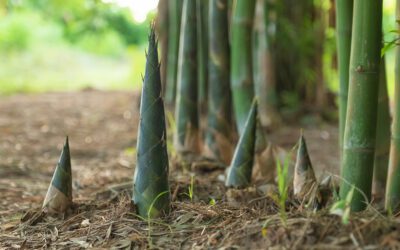
Bamboo shoots and its products
A fairy tale of green gold One of the diverse agroclimatic regions in India is home to a thriving, varied, and commercially significant bamboo species. Which has a great impact on our healthy lifestyle by providing shelter, furniture, food, ornamental plants, and...
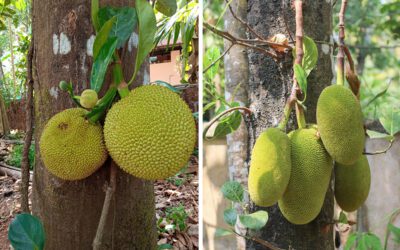
How wild fruit and vegetables are beneficial for a healthy lifestyle
There are thought to be 350,000 different plant species in the world, and 75,000 of those are thought to be edible by most people. Most of these are limited in their exploration and act as a hidden supply chain to partially fulfill the food security and microeconomic...
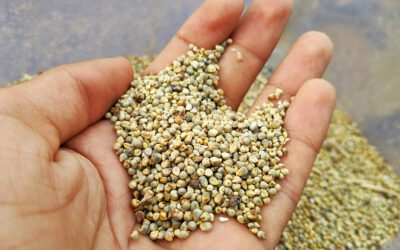
Discover the Nutritious Value of Millet Grain: A Staple Food for 10,000 Years
Discover the Nutritious Value of Millet Grain: A Staple Food for 10,000 YearsMillets are a group of diversified, small, and varied round seeds, whole grains, or cereal crops cultivated throughout the semiarid tropics of Asia and Africa. They all belong to the Poaceae...