
Illegal Dyes
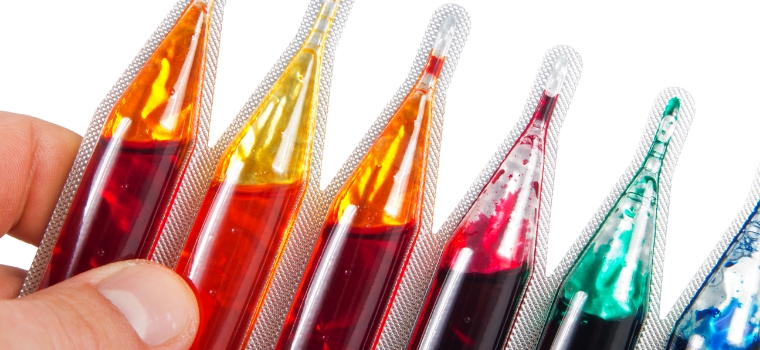
The color additives used in a lot of consumable products these days include illegal dyes. Ideally food colours are divided into two categories – natural and artificial. Natural colours or pigments are obtained from vegetables, plants, animals or other minerals, whereas artificial colours are developed in laboratory synthetically to give an aesthetically appealing look and feel to the product. These days consumption of naturally occurring colours has increased worldwide because of mass awareness. People are understanding the fact that toxicity of synthetic colours are harmful for their health. Illegal dyes fall under the category of synthetic colors.
In India, FSSAI is the governing body for standardizing and regulating use of food colors and prohibiting illegal dyes in food and beverages. FSSAI has permitted several colors under category of ‘Colouring Matter’ in the Food and Safety Standards (Food Product Standards and Food Additives) Regulations, 2011. FDA has also mentioned Color Additives (Dyes) use in Title 21 of the Code of Federal Regulations for international clearances. Cultivator Phyto Lab strictly always adhere to these norms and conduct transparent and authentic testing for dyes and colors in products (Human food, Beverages, Cosmetics, and medical equipment).
Identification of illegal dyes in product can lead to problems, restrictions, fines, and penalties on manufacturers and producers. Therefore, we strongly recommend that every product should be checked for illegal dyes before it is distributed in the market. Some of the illegal dyes that are found in the food commonly are – Sudan I to IV, Sudan Orange G, Sudan Red B, Sudan Red G, Sudan Red 7B, Sudan Black B, Synthetic Azo dyes like Butter Yellow, Para Red, Rhodamine B and Orange II. The product including these illegal dyes are considered carcinogens and teratogens. Therefore, they are banned by the statutory governing bodies across the world. Companies should also know that authorities like EU doesn’t permit use of natural dye annatto (E160b) in spices.
Producers and manufacturers are suggested to put their products through rigorous testing process in a reliable, trust-worthy, genuine, and state-of-the-art laboratory as Cultivator Phyto Lab. With the right analysis, they can develop a product befitting the international standards as well.
NEWS AND BLOGS
Find up to date information, news releases, and corporate publications for Cultivator Phyto Lab customers

The harmful effect of PPD and Ammonia in Hair Dye
Hair colors and their style have a staple beauty of a person to follow latest fashion trend which practices since long back ago. It is a major contribution to the first look at the completeness of your makeup. Most celebrities’ women and man even common people also...
Testing of Drinking Water in the Laboratory
Let’s find out all about water quality testing and how it’s done in our labs. Tap water from community water systems is subject to safe water drinking standards. Depending on the condition of the water source from which it is drawn and how it is treated, the drinking...

Organic Cultivation
The natural and traditional farming system again came back with a holistic approach to the green environment revolution. British botanist Albert Howard is the father of modern organic farming. He documented traditional farming practices in India and the superiority of...