
Color Testing
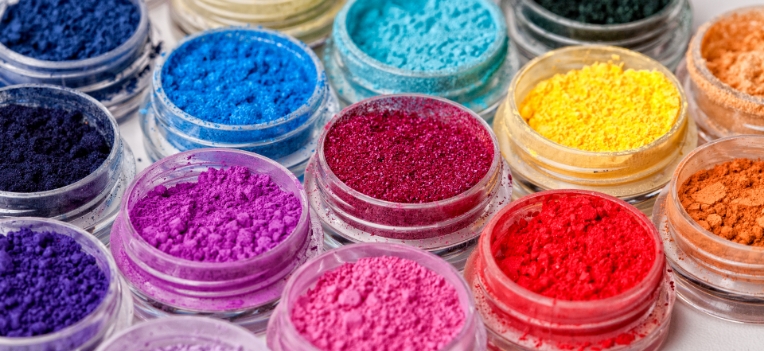
Color plays a significant role in the visual representation of the food that we eat, along with other elements like flavors, taste, etc. as it severely impacts the buying decision of the consumer. Food color is a pigment, dye, or some substance that is made by a process of synthesis, extraction, or otherwise derived from vegetables, or other sources that when added to a food impart color to it. It finds applications in various food items like Dairy, spices, ice-creams, baked goods, desserts, snacks, processed food products, etc. Many manufacturers in the food industry face the key challenge to ensure the quality of the product is high and displaying optimal performance while paramount ‘Product Safety’ by assessing the presence of potentially harmful chemicals.
Cultivator Phyto Lab is your one-stop partner for color testing services, our advanced and high-tech laboratories, supports and offer a range of testing services for potential allergens or active substances in the edible colors used by the industry for their products.
Natural Color Testing
|
Caramel |
|
Cochineal |
|
Curcumin |
|
Annatto |
|
Chlorophyll |
|
Betanin |
Synthetic Color Testing
| Brilliant Blue |
| Allura Red AC |
| Carmosine |
| Sunset Yellow |
| Indigo Carmine |
| Erythrosine |
| Fast Green |
| Ponceau 4R |
| Tartrazine |
NEWS AND BLOGS
Find up to date information, news releases, and corporate publications for Cultivator Phyto Lab customers

Once upon a time vitamin C biosynthesis was in primates
The biosynthesis of vitamin C, also known as ascorbic acid, formerly allowed primate and human bodies to exist. This biosynthetic process was functional in early primates and many other mammals, enabling them to produce vitamin C on their own. However, during the...
How Culture and Climate Influence Food Habits Evolution
Food habits and their evolution are heavily influenced by culture, food, and climate. They are related to one another. As a result, geospatial climate, or local weather, is one of the key determinants of what people eat, culinary practices and food culture, and even...
Ricin is a potent toxin for health
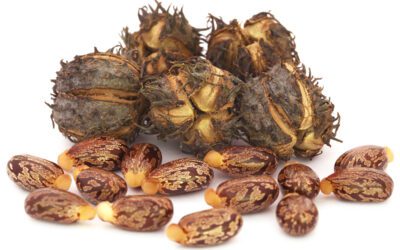
Ricin is a very poisonous protein found in the castor bean plant's seeds (Ricinus communis). It is one of the most dangerous naturally occurring poisons known to humans. Ricin is a glycoprotein, which means it has carbohydrate (sugar) molecules attached to it. The...