

Microbiology Lab
Cultivator Phyto Lab aims to serve many food and related industries across India, with its world-class microbiological setup. Our team of experts consisting of postgraduates, scholars, researchers, and doctorates in the field of microbiology together form a strong core microbiological team. The microbiological laboratory deals with the isolation and identification of common indicator organisms and foodborne pathogens in a variety of food matrices, ensuring the quality of raw materials and finished products thereby assuring the safety and quality of the final food product.

Our laboratory is supported by a well-equipped facility which includes updated equipment as listed below:
Test Parameters
|
Total Plate Count |
Total Yeast and Mould Count |
|
Coliform Count |
E. coli |
|
Heat Resistant Mould |
Staphylococcus aureus |
|
Sulphite Reducing Bacteria |
Salmonella |
|
Vibrio cholerae |
Vibrio parahaemolyticus |
|
Listeria monocytogenes |
Shigella |
|
Bacillus cereus |
Faecal streptococci |
|
Pseudomonas aeruginosa |
Enterobacteriaceae |
|
Bile Tolerant Gram-Negative Bacteria Flat sour organisms |
Clostridium perfringens |
NEWS AND BLOGS
Find up to date information, news releases, and corporate publications for Cultivator Phyto Lab customers
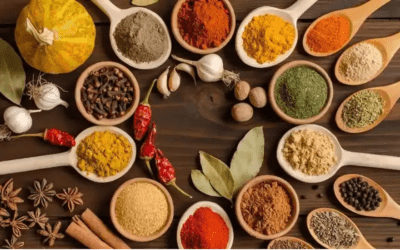
Laboratory Testing of Herbs & Spices —An Ultimate Guide
Herbs and spices truly justify their names as they can spice up the plainest of delicacies in an instant. Food without them can taste extremely bland. Their significance to the human palate is what makes them treasured and invaluable. Even spice testing is gaining...

Analysis of Milk—How can Adulteration be Detected?
Milk has always been an indispensable and inseparable part of people’s food regimes. Milk and milk products, regardless of age, never fail to provide much-needed comfort after a long, exhausting day. So, it becomes crucial to ensure that milk is safe for consumption....
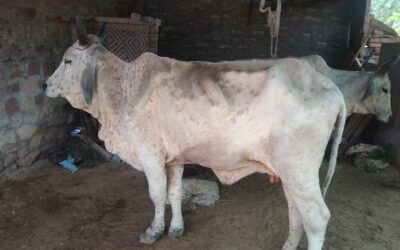
Lumpy Skin Disease (LSD) in Livestock
At present, nature has been causing a lot of threatening viruses to the animal kingdom, such as Ebola virus disease, Monkeypox, Marburg virus, and most recently, Lumpy skin disease virus in livestock and other lethal viruses.We are discussing a more recent,...