
Molecular Biology Testing
Cultivator Phyto Lab provides the best-in-class molecular biology test facility with its state-of-the-art facility. The role of molecular detection, identification and typing or fingerprinting of microorganisms and microscopic elements has gained prominence in the recent times. Prior molecular testing improves the sensitivity, specificity and turn-around time in production and manufacturing industry.
Molecular Biology testing is a group of techniques used to analyze biological markers in the genome and proteome, and how their cells express their genes as proteins. The technique is used to diagnose issues for humans, plants, food, fodder, and animals. It is also used to monitor crop and livestock diseases, and estimate the risks involved.
Under the scope of Molecular Biology, Cultivator Phyto Lab provide pathogen detection with help of 2 methods:
• Polymerase chain reaction (PCR) and
• Immunochromatography
We provide testing for molecular detection of pathogens in food products such as – AYUSH & herbal products. Also, detect the real-time pathogens present in the given food samples with help of fluorescent probes.
Other testing services under molecular biology include:
• Complete GMO Analysis.
• DNA microarrays are used for the identification of foodborne bacteria.
• Determination of the exact identity of the adulterant and screening of any raw material by FT-NIR Spectroscopy
• Detection of Bacterial toxins, norovirus, & foodborne bacteria.
Cultivator Phyto Lab is recognized name to offer effective molecular biology testing services. We use the standard global protocols for testing & we are also equipped with the best infrastructure to provide accurate results with a fast turnaround time. The range of molecular analysis and immunology tests at Cultivator Phyto Lab have been availed by industry giants from time to time.
NEWS AND BLOGS
Find up to date information, news releases, and corporate publications for Cultivator Phyto Lab customers

Once upon a time vitamin C biosynthesis was in primates
The biosynthesis of vitamin C, also known as ascorbic acid, formerly allowed primate and human bodies to exist. This biosynthetic process was functional in early primates and many other mammals, enabling them to produce vitamin C on their own. However, during the...

How Culture and Climate Influence Food Habits Evolution
Food habits and their evolution are heavily influenced by culture, food, and climate. They are related to one another. As a result, geospatial climate, or local weather, is one of the key determinants of what people eat, culinary practices and food culture, and even...
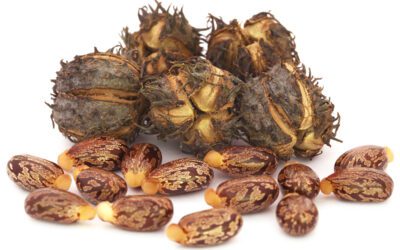
Ricin is a potent toxin for health
Ricin is a very poisonous protein found in the castor bean plant's seeds (Ricinus communis). It is one of the most dangerous naturally occurring poisons known to humans. Ricin is a glycoprotein, which means it has carbohydrate (sugar) molecules attached to it. The...