
Vitamins

Cultivator Phyto Lab offers vitamin analysis testing to food manufacturers, producers, processors, retailers, and individuals. Companies and manufacturers must get their food and beverages analysed for naturally occurring vitamins & synthetically fortified vitamins. The same has been mandated by regulatory bodies at national and international level.
At times the amount of vitamin present in the raw product is different from the final formulated product because of external impacts taking place in the processing and supply chain. A complete vitamin analysis testing will help in making sure that the nutrition labelling is correct and compliant with the market needs.
The advanced testing facility of Cultivator’s Phyto Lab extends accurate, cost-effective, rapid, and independent vitamin compliance testing services to manufacturers across the globe.
Below are the categorizations of vitamins basis their solubility and their benefits:
Fat Soluble vitamins
|
Vitamin |
Benefits |
|
Vitamin A / beta-carotene |
Good vision, bone growth, cell reproduction, immunity |
|
Vitamin D |
Development and growth of bones, immunity |
|
Vitamin K1 & Vitamin K2 |
Blood clotting, building protein, strength |
|
Vitamin E |
Immunity, metabolism, strength |
Water Soluble Vitamins
|
Vitamin |
Benefits |
|
Folate / Folic acid |
Helps cells to grow, pregnancy, prevents birth defects |
|
Niacin |
Rejuvenates skin, nerves, digestive tract, overall health |
|
Vitamin B6 (Pyridoxine) |
Improved metabolism, protein synthesis, nervous functioning, immunity, making neurotransmitters |
|
Vitamin B12 (Cyanocobalmin) |
Healthy nerves & body, DNA health, prevents anaemia |
|
Vitamic C |
Antioxidant, good bones, good skin, good tissues, promotes healing |
NEWS AND BLOGS
Find up to date information, news releases, and corporate publications for Cultivator Phyto Lab customers

Once upon a time vitamin C biosynthesis was in primates
The biosynthesis of vitamin C, also known as ascorbic acid, formerly allowed primate and human bodies to exist. This biosynthetic process was functional in early primates and many other mammals, enabling them to produce vitamin C on their own. However, during the...
How Culture and Climate Influence Food Habits Evolution
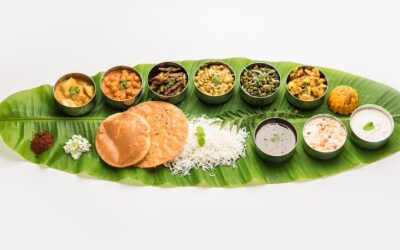
Food habits and their evolution are heavily influenced by culture, food, and climate. They are related to one another. As a result, geospatial climate, or local weather, is one of the key determinants of what people eat, culinary practices and food culture, and even...
Ricin is a potent toxin for health
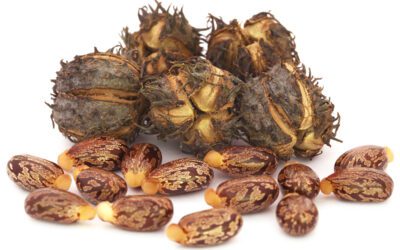
Ricin is a very poisonous protein found in the castor bean plant's seeds (Ricinus communis). It is one of the most dangerous naturally occurring poisons known to humans. Ricin is a glycoprotein, which means it has carbohydrate (sugar) molecules attached to it. The...