
Pesticide Residues

Cultivator Phyto Lab offers world-class agrochemical and pesticides residue testing services to manufacturers, producers, and companies across the globe. Agrochemicals have been playing a viral role in assisting the food production across the world for decades. However, the composition of these agrochemicals, a.k.a. pesticides, may impart adverse impacts on agriculture produce and contaminate other products, if not regulated and used within limits. Major pesticides are insecticides, herbicides, rodenticides, and fungicides. Pesticide residues are the trace amounts of chemicals that remain in or on fruits, vegetables, grains, and other foods.
Our pesticide residue testing service provides dynamic tools for identifying and controlling pesticide residues in products, protecting consumers and industries globally. Liquid chromatography, gas chromatography and various other techniques are used to identify several residues such as molluscicides, rodenticides, etc.
The pesticide residue testing services include analysis of individual or groups of pesticides. These tests are performed on samples of food and beverages, animal, agricultural, and environmental products, etc. Multi-residue screening is done on chemical compound classes such as Organonitrogen compounds, Carbamates, etc. the state-of-the-art facilities and industry-leading technical expertise at Cultivator Phyto Lab ensures accuracy, efficacy, and timeliness of the test results. We extend pesticides scientific & regulatory support, agrochemical regulatory consultations, and residue testing for pesticides, fungicides, and herbicides.
Analysis of various samples continues to be extensively done on a macro as well as micro scale and frequently requires various process steps. The team at Cultivator Phyto Lab is rigorously trained for operating all the equipment, so only accurate and reliable results are produced. Also, our high-sophisticated instruments are calibrated and maintained on regular basis.
NEWS AND BLOGS
Find up to date information, news releases, and corporate publications for Cultivator Phyto Lab customers

Superantigens of Streptococci Cause Streptococcal Toxic Shock Syndrome (STSS)
Be aware of a flesh-eating bacterium waiting on poor-quality of food stuff Toxic shock syndrome (TSS) was first identified in 1978 as a Staphylococcus aureus infection in children, followed by a tampon-related outbreak in 1980, which was further termed as...

You Should Know differences of A1 and A2 Milk Before Purchase
Milk is a mainstay in many people's diets around the world, and it's known for its high nutritional value. However, not all milks are the same. In recent years, there has been an increasing interest in A1 and A2 milk, which differ in their beta-casein proteins. This...
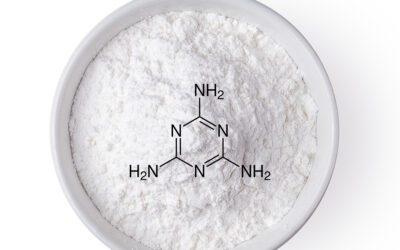
An intelligent adulterant Melamine; a white poison
Melamine is still a silent threat to food safety, posing considerable snags to food regulation in all nations. This seemingly harmless chemical compound, with its white crystalline form, has made its way into the food chain, posing as a protein booster while...