
Food Color Testing
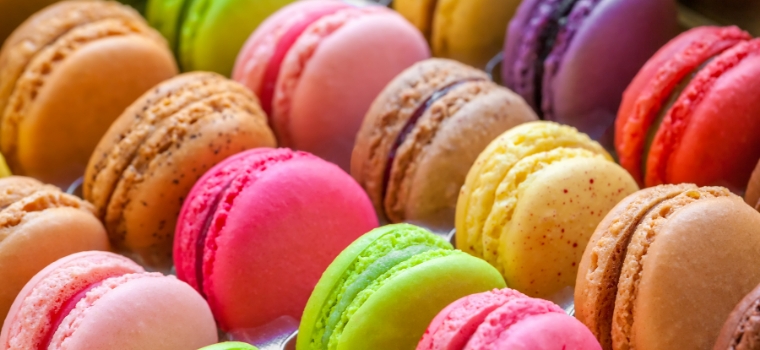
Cultivator Phyto Lab provides the best-in-class food color testing results within fastest turnaround time. The FDA defines a color additive as dye, pigment, or substance which when added to a food, drug or cosmetic, or to the human body, is capable of imparting color. Generally, food color is just edible dye or pigment to give a preferable color to the food or beverage. Mostly these are derived from vegetables, plants, and animals but recently a lot of synthetic food colors have also evolved which are harmful for humans.
Given such a scenario, food colors have been restricted by the national and international statutory bodies like
- Indian Standards (IS)
- American Public Health Association (APHA)
- The Food and Drug Administration (USFDA)
- Food Safety and Standards Authority of India (FSSAI) manuals for analysis
- American Society for Testing and Materials (ASTM)
- Association of Official Analytical Chemists International (AOAC)
- American Oil Chemist’s Society (AOCS)
- American Spice Trade Association (ASTA)
- US-FDA Pesticide Analytical Manual (PAM)
- US-EPA Methods
- International Organization for Standardization (ISO)
- Ayurvedic Pharmacopoeia of India (API)
- Indian Pharmacopoeia (IP)
- Food Chemical Codex (FCC)
- In-house validated methods
And one must clear multiple benchmarks before entering the consumer world. Importantly, manufactures and producers are required to maintain high discretion in use of permitted food colors only in their products.
Let us ponder over the reason why food colors are important in products and how can manufacturers keep their products safe from harmful effects of synthetic food colors.
Reasons for including food colors:
- For visual enhancements of the product.
- For compensating color loss during product processing.
- For enhancing the natural color of the food or beverage.
- For creating festivity and novelty.
How manufacturers can keep their products safe:
By knowing that FSSAI allows the use of the following colorants:
- Carotene & Carotenoids including Beta-carotene, Beta-apo 8′- carotenal, Methyl ester of Beta-apo 8′ carotenoic acid, Ethyl ester of Beta-apo 8′ carotenoic acid, Canthaxanthin
- Riboflavin (Lactoflavin).
- Caramel
- Annatto
- Saffron
- Curcumin or turmeric
Along with these, the following synthetic colors are permitted to be used
- Red from: Ponceau 4R, Carmoisine, and Erythrosine
- Yellow from: Tartrazine and Sunset Yellow FCF
- Blue from: Indigo Carmine and Brilliant Blue FCF
- Green from: Fast Green FCF
Cultivators Phyto Lab extends one-stop, reliable, and assuring natural and synthetic food colors testing. There is an increasing trend worldwide to shift from synthetic to bio colors and the new-age producers must embrace them now.
NEWS AND BLOGS
Find up to date information, news releases, and corporate publications for Cultivator Phyto Lab customers

Food borne diseases, a major threatens to consumer level
More than 200 diseases are caused by the consumption of contaminated foods or beverages1. Contaminants could either be biotic or abiotic. Biotic contaminants include bacteria, viruses, parasites, protozoans, fungus, or any other organisms or their parts whereas...
Microbial Analysis–What you Must Know
With the ever-increasing contact with microorganisms, microbial analysis is becoming a requirement across a plethora of industries. Any industry where human health is at risk of being adversely affected by the presence of disease-causing bacteria needs continuous...
Here’s Everything you Need to Know About Soil Testing & Analysis
Wish to make your plants thrive? Ever tried testing the pH of your soil? If you’re worried about the stunted growth of your plants, maintaining healthy soil is the first step towards rectifying it. And you can proceed with maintenance only when you know what’s exactly...