
Food Additive Testing

Food additives are generally defined as substances that are added in food for preservation, flavor, color, appearance, etc. Thousands of food additives are available in the market and many of them pose great risk to human health. Gradually, food additives have become a point of serious consideration. Cultivator Phyto Lab analyses many parameters and provide a comprehensive report in compliance with national and international regulations with utmost transparency.
The wide spectrum of food additives includes antioxidants, preservatives, coloring agents, flavoring agents, anti-infective agents, and others. These additives are included in various phases of production, processing, treatment, packaging, transportation or storage of food. Furthermore, additives are defined as both direct (usually mentioned on the ingredient label) and indirect (are added in trace amount during packaging, storage, and other). Many a product ranging from beverages and convenience foods to instant mixes and RTEs cannot be put out in the market without food additives. Therefore, regulatory authorities have imposed certain standards to be followed by the producers and manufacturers.
Cultivator Phyto Lab analyses following parameters in food additive testing:
- Antioxidants
- Colorants
- Sweeteners
- Color retention agents
- Bleaching agents
- Preservatives
- Emulsifying and stabilizing agents
- Anti-caking agents
- Sequestrants
- Buffering agents
- Anti-foaming agents
- Flavor treatment agents/ flavoring agents
- Plasticizers
- Antiputrefactive
- Illegal additives (if any)
- Miscellaneous
Cultivator Phyto Lab uses gas chromatography (GC) and high-performance liquid chromatography (HPLC) coupled with mass spectrometry (MS) or nuclear magnetic resonance (NMR) technologies to test food additives. The lab also performs label verification as per governing authorities. Furthermore, the lab also provides organoleptic evaluation, food antioxidant test and food preservative analysis. The unique portfolio of analysis and testing services are complemented with quality management, transparent processes, and faster turn around time.
NEWS AND BLOGS
Find up to date information, news releases, and corporate publications for Cultivator Phyto Lab customers

Once upon a time vitamin C biosynthesis was in primates
The biosynthesis of vitamin C, also known as ascorbic acid, formerly allowed primate and human bodies to exist. This biosynthetic process was functional in early primates and many other mammals, enabling them to produce vitamin C on their own. However, during the...

How Culture and Climate Influence Food Habits Evolution
Food habits and their evolution are heavily influenced by culture, food, and climate. They are related to one another. As a result, geospatial climate, or local weather, is one of the key determinants of what people eat, culinary practices and food culture, and even...
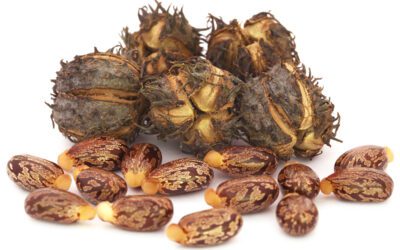
Ricin is a potent toxin for health
Ricin is a very poisonous protein found in the castor bean plant's seeds (Ricinus communis). It is one of the most dangerous naturally occurring poisons known to humans. Ricin is a glycoprotein, which means it has carbohydrate (sugar) molecules attached to it. The...