
Fatty Acid Profiling
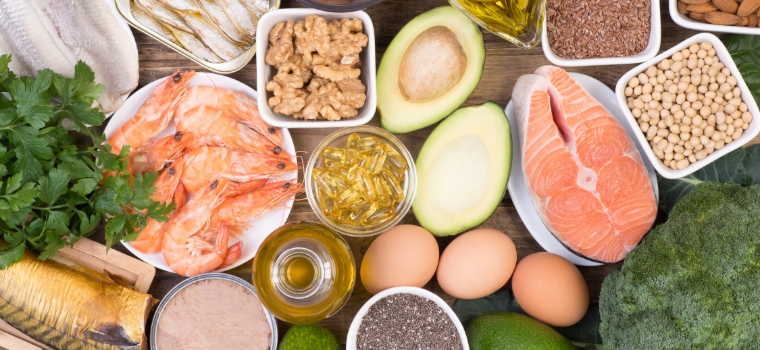
Cultivator Phyto Lab, India’s leading testing and research facility, offers a complete spectrum of fatty acid profiling for food & beverages, pharmaceuticals, nutraceuticals, and other industry domains. The testing services that we propose to our clients include:
- Omega 3 and Omega 6 fatty acid testing, with an emphasis on EicosaPentaenoic Acid (EPA), DocosaHexaenoic Acid (DHA), Alpha Linolenic Acid (ALA), Gamma Linolenic Acid (GLA), and Stearidonic Acid (SDA) both in food & beverages products and nutraceutical products
- Conjugated Linoleic Acid (CLA) in meat and dairy products
- Linoleic and Arachidonic Acid (ARA) testing in pet food
- Also, nutritional analysis and nutritional labelling for products with saturated, unsaturated, trans fats & total fat food & beverage products
A deep analysis of product for fatty acid profile allows the manufacturers and producers to facilitate a better, nutritional, healthier, and wholesome product to the end consumers. This may in-turn increase the trust factor of customers for the brand. Apart from food & beverages and medicines, we also conduct fatty acid profiles for oil crops like soybeans, sunflowers, safflowers, peanuts, canola, flax, etc.
NEWS AND BLOGS
Find up to date information, news releases, and corporate publications for Cultivator Phyto Lab customers

Once upon a time vitamin C biosynthesis was in primates
The biosynthesis of vitamin C, also known as ascorbic acid, formerly allowed primate and human bodies to exist. This biosynthetic process was functional in early primates and many other mammals, enabling them to produce vitamin C on their own. However, during the...
How Culture and Climate Influence Food Habits Evolution
Food habits and their evolution are heavily influenced by culture, food, and climate. They are related to one another. As a result, geospatial climate, or local weather, is one of the key determinants of what people eat, culinary practices and food culture, and even...
Ricin is a potent toxin for health
Ricin is a very poisonous protein found in the castor bean plant's seeds (Ricinus communis). It is one of the most dangerous naturally occurring poisons known to humans. Ricin is a glycoprotein, which means it has carbohydrate (sugar) molecules attached to it. The...