
Allergen Testing
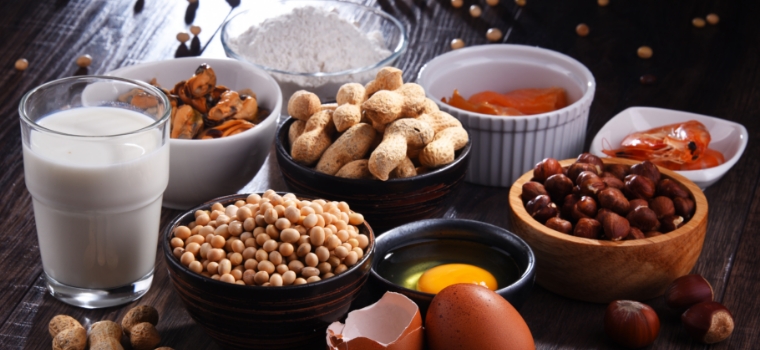
Cultivator Phyto Lab offer a complete combination of testing program for a variety of allergens and intolerances listed by national and international statutory bodies. The array of tests included are chemical, enzymatic, molecular biological (PCR) and immunological methods (ELISA) to test for proteins, DNA, lactose, and sulphites. We recommend both multi-allergen and single-allergen PCR tests in cases of food products with high sensitivity or high processing requirements. Food allergen testing is important for manufacturers and producers to alert people of the allergies that may happen because of the listed ingredients.
Broadly stating, allergens are substances usually protein that we ingest or inhale but that interact with our immune system in an adverse way, causing allergic reactions. Immunoglobulin E (IgE) is produced when the body comes into contact with these allergens, it is the primary antibody responsible for these reactions.
These allergens are of 2 types:
Inhaled – such as pollen, affect the body and may cause allergic reactions in the lungs or on the membranes of the nostrils or throat.
Ingested – these are generally found in food items such as seafood, soya etc.
Some of the most common allergens we test include cereals containing gluten, Celery, Mollusks (clams, mussels, oysters, scallops, etc.), Mustard, Soy, Seafood crustaceans (crabs, lobsters, prawns, etc.), Milk and dairy products etc.
Quintessentially, manufacturers must get the food allergen tests done as allergic reactions can lead to immediate wheezing, vomiting, and hives, can include stomach upset, eczema, allergic rhinitis, bronchospasm (asthma-like symptoms) and even anaphylaxis (a condition of severe allergic reaction). The state-of-the-art advanced laboratory at Cultivator Phyto Lab ensures time-bound, accurate, reliable, and authentic results.
NEWS AND BLOGS
Find up to date information, news releases, and corporate publications for Cultivator Phyto Lab customers

Classical Food Safety Testing Methods: Ensuring Safe and Healthy Food
Food testing is an important aspect of ensuring that the food we eat is safe to eat and free of hazardous contaminants, which might be biological, chemical, or physical. To test the safety of food and its products, various approaches are used. Microbiological testing,...

How common conditions can be improved without antibiotics?
A quick look at things that influence infection susceptibility and improve well-being Antibiotics alone are not a good solution for common health disorders; they should be used in a very specific way, not in a general way. It may cause multidrug resistance in your...

The Benefits of phytoestrogens in everyday life
Phytoestrogen as a nutritional component that is a bioactive substance, is often eaten in vegetables, fruits, and lentils. Phytoestrogens can naturally act as estrogens. Phytoestrogens can lower total cholesterol while also improving heart function and some studies...