
Allergen Testing

Cultivator Phyto Lab offer a complete combination of testing program for a variety of allergens and intolerances listed by national and international statutory bodies. The array of tests included are chemical, enzymatic, molecular biological (PCR) and immunological methods (ELISA) to test for proteins, DNA, lactose, and sulphites. We recommend both multi-allergen and single-allergen PCR tests in cases of food products with high sensitivity or high processing requirements. Food allergen testing is important for manufacturers and producers to alert people of the allergies that may happen because of the listed ingredients.
Broadly stating, allergens are substances usually protein that we ingest or inhale but that interact with our immune system in an adverse way, causing allergic reactions. Immunoglobulin E (IgE) is produced when the body comes into contact with these allergens, it is the primary antibody responsible for these reactions.
These allergens are of 2 types:
Inhaled – such as pollen, affect the body and may cause allergic reactions in the lungs or on the membranes of the nostrils or throat.
Ingested – these are generally found in food items such as seafood, soya etc.
Some of the most common allergens we test include cereals containing gluten, Celery, Mollusks (clams, mussels, oysters, scallops, etc.), Mustard, Soy, Seafood crustaceans (crabs, lobsters, prawns, etc.), Milk and dairy products etc.
Quintessentially, manufacturers must get the food allergen tests done as allergic reactions can lead to immediate wheezing, vomiting, and hives, can include stomach upset, eczema, allergic rhinitis, bronchospasm (asthma-like symptoms) and even anaphylaxis (a condition of severe allergic reaction). The state-of-the-art advanced laboratory at Cultivator Phyto Lab ensures time-bound, accurate, reliable, and authentic results.
NEWS AND BLOGS
Find up to date information, news releases, and corporate publications for Cultivator Phyto Lab customers

Once upon a time vitamin C biosynthesis was in primates
The biosynthesis of vitamin C, also known as ascorbic acid, formerly allowed primate and human bodies to exist. This biosynthetic process was functional in early primates and many other mammals, enabling them to produce vitamin C on their own. However, during the...
How Culture and Climate Influence Food Habits Evolution
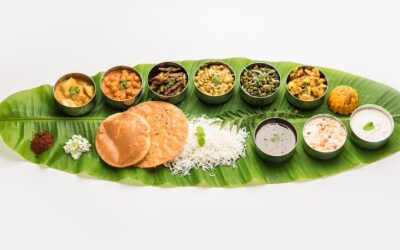
Food habits and their evolution are heavily influenced by culture, food, and climate. They are related to one another. As a result, geospatial climate, or local weather, is one of the key determinants of what people eat, culinary practices and food culture, and even...
Ricin is a potent toxin for health
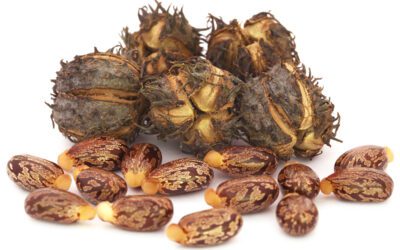
Ricin is a very poisonous protein found in the castor bean plant's seeds (Ricinus communis). It is one of the most dangerous naturally occurring poisons known to humans. Ricin is a glycoprotein, which means it has carbohydrate (sugar) molecules attached to it. The...