

Microbiology Lab
Cultivator Phyto Lab aims to serve many food and related industries across India, with its world-class microbiological setup. Our team of experts consisting of postgraduates, scholars, researchers, and doctorates in the field of microbiology together form a strong core microbiological team. The microbiological laboratory deals with the isolation and identification of common indicator organisms and foodborne pathogens in a variety of food matrices, ensuring the quality of raw materials and finished products thereby assuring the safety and quality of the final food product.

Our laboratory is supported by a well-equipped facility which includes updated equipment as listed below:
Test Parameters
|
Total Plate Count |
Total Yeast and Mould Count |
|
Coliform Count |
E. coli |
|
Heat Resistant Mould |
Staphylococcus aureus |
|
Sulphite Reducing Bacteria |
Salmonella |
|
Vibrio cholerae |
Vibrio parahaemolyticus |
|
Listeria monocytogenes |
Shigella |
|
Bacillus cereus |
Faecal streptococci |
|
Pseudomonas aeruginosa |
Enterobacteriaceae |
|
Bile Tolerant Gram-Negative Bacteria Flat sour organisms |
Clostridium perfringens |
NEWS AND BLOGS
Find up to date information, news releases, and corporate publications for Cultivator Phyto Lab customers

Clay is used for a lot more than Skin Care
Clay minerals have been used for centuries for their therapeutic properties in the traditional Indian system of Ayurvedic medicine. Clay minerals have a unique ability to absorb toxins and impurities from the body, which makes them useful for detoxification and...

The Adverse Health Effects of Refined Oil
Unveiling the Truth about Refined and Cold-Pressed Oils When it comes to adopting a healthy lifestyle, one of the first considerations is the type of oil we use for cooking. With a wide range of options available, such as virgin oil, vegetable oil, butter,...
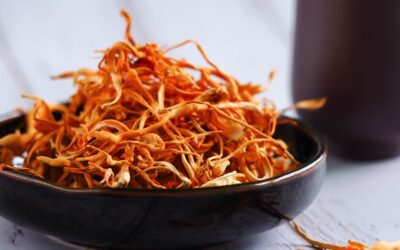
World’s most luxurious mushroom is Cordyceps Sinensis
Introduction Ophiocordyceps sinensis is a fungus belonging to the Ophiocordycipitaceae family. It was previously known as Cordyceps sinensis and is commonly called a caterpillar mushroom or entomopathogenic fungus. Cordyceps species are reported in more than 400...