

Residues & Contaminants in Food And Agriculture Products
Cultivator Phyto Lab provides reliable and accurate testing solutions to identify harmful chemical residue and contaminants in various food and agriculture products. To meet the strict regulations around the world regarding prohibited and restricted chemicals as well as help to avoid recalls through unwanted contaminants getting into food products, we provide a testing service to comply, maintain its reputation according to regulations and keep consumers safe.
Testing Parameters
Antioxidants
PAH & PCBs testing
Identification by FTIR
Melamine
Uric Acid
Preservatives Testing
THM & VOC Testing
Plant growth Regulators
Residual solvent
Test Methods
As per all national and international methods like AOAC, APHA, EU, Indian standard, FSSAI, ISO, own validated methods and customer supplied methods.

The use of pesticides (insect killing), fungicides (to control fungi, mould & mildew) and herbicides (Kill weeds) can help to crop resistance to disease and pests as well as increase yields, the excess use or use of forbidden pesticides can lead to the accumulation of harmful chemical residues. We provide trace, contaminants & residue analysis services, helping to ensure your products meet the required standards. From our facilities we provide fast and accurate screening, detection, identification and quantification the presence of pesticides, toxins, heavy metals and also melamine
Naturally Occurring Toxins (NOTs)
(NOTs) like mycotoxins and toxins occur in staple foods like corn or cereals can contain high levels of mycotoxins, such as aflatoxin and ochratoxin, produced by mould on grain. A long-term exposure can affect the immune system and normal development, or cause cancer.
Heavy Metals
Heavy metals such as lead, cadmium, and mercury cause neurological and kidney
damage. Contamination by heavy metals in food occurs mainly through pollution of air, water, and soil.
Persistent Organic Pollutants (POPs)
Persistent organic pollutants (POPs) are compounds that accumulate in the environment and the human body. Known examples are Polyaromatic hydrocarbons
(PAHs), and polychlorinated biphenyls (PCBs) which are highly toxic and can cause kidney, and liver damage and developmental problems, damage the immune system, interfere with hormones and cause cancer, which are unwanted by products of industrial processes and waste incineration. They are found worldwide in the environment and accumulate in food chains
NEWS AND BLOGS
Find up to date information, news releases, and corporate publications for Cultivator Phyto Lab customers
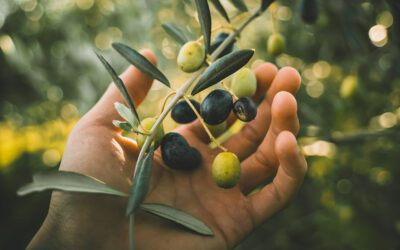
Olive Oil Production and Olive Oil Testing in India
Olive is one of the oldest cultivated plants and is native to Italy and the eastern Mediterranean Basin. It is an evergreen with an average height of 6 to 9 meters and can survive in dry climates with high temperatures, temperate, cool dry climates during the winter,...
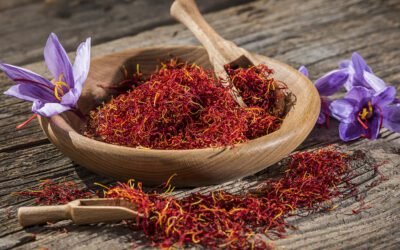
Saffron is the Most Expensive Spices in the World
Why saffron is the most expensive spice? Saffron carries the world’s most expensive food additive seasoning, which is derived from the stigmas of a purple flower of Crocus sativus Linnaeus, a member of the botanical family Iridaceae. Others refer to saffron as "golden...
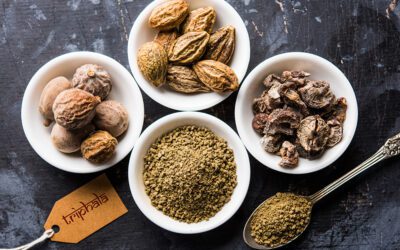
Triphala is one of the world’s oldest medications
Introduction One of the most ancient polyherbal medicines ever discovered for the treatment of human multi-alignment is Triphala. It is formulated with the blending of three vital dry fruits, each in an equal proportion (1:1:1) of Amla (Emblica officinalis), Haritaki...