
Naturally Occurring Toxins
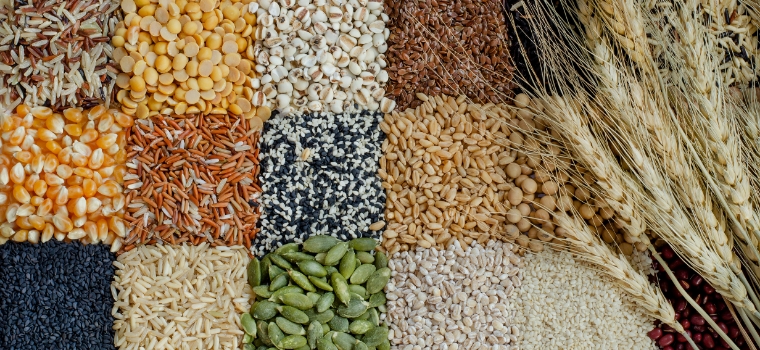
Many substances naturally occur at times in foods that have the potential to be toxic. It is the level of exposure that determines the detrimental effect of a substance. Safety from these natural substances largely depends on the proper preparation and processing of the food and on the inherently low levels of toxicants.
Plants develop thousands of natural compounds that protect them against threats to their existence. Out of these compounds, some are toxins called Naturally Occurring Toxins (NOTs). NOTs can also be of fungal and marine origin. Some toxins can cause harmful effects on the immune system, affect development, and/or cause cancer, due to their high level of concentration if consumed in large quantities.
Cultivator Phyto Lab helps in offering advanced testing facilities and services in the following categories:
- Agaric Acid
- Saffrole
- Hydrocyanic Acid
- Hypericine
The permissible limit of Naturally Occurring Toxins as per FSSAI is:
|
S.no. |
Naturally Occurring Toxic Substance (NOTs) |
Article of food |
Max. limit |
|
1 |
Agaric acid |
Food containing mushrooms |
100 |
|
|
|
Alcoholic beverages |
100 |
|
2 |
Hydrocyanic acid |
Nougat, marzipan, or similar products |
5 |
|
|
|
Canned stone fruits |
5 |
|
|
|
Alcoholic beverages |
5 |
|
|
|
Confectionary |
5 |
|
3 |
Hypericine |
Alcoholic beverages |
1 |
|
4 |
Saffrole |
Meat, poultry |
10 |
|
|
|
Fish |
10 |
|
|
|
Soups, sauce |
10 |
|
|
|
Non-alcoholic beverages |
10 |
|
|
|
Food with mace and nutmeg |
10 |
|
|
|
Alcoholic beverages |
10 |
We have various analytical instruments in its well-facilitated residue lab, which are useful in determining the accuracy of the product. The expert team of analysts holds hands-on experience in operating all the equipment and in developing detailed, reliable, and accurate test results. We have various analytical instruments in its well-facilitated instrument and residue lab, which are useful in determining the accuracy of the product. The expert team of analysts holds hands-on experience in operating all the equipment and in developing detailed, reliable, and accurate test results with a fast turnaround time.
NEWS AND BLOGS
Find up to date information, news releases, and corporate publications for Cultivator Phyto Lab customers
How Water Is Used As An Adulterant In Food Products
Water adulteration is not only limited to milk, but is also used in alcohol, soft drinks, and other beverages. Fruit juice products are added with dilution water to increase volume. It is one of the most serious frauds for getting economic benefits, especially if poor quality water is added to fruit juice to cause serious health issues for the consumer.

Most Common Food Preservation Techniques
Food Preservation Food is any substance that is consumed to provide nutritional support for an organism. Food is usually of plant, animal, or fungal origin and contains essential nutrients, such as carbohydrates, fats, proteins, vitamins, or minerals, that are derived...

Ayurvedic formula development for new drugs
Ayurvedic Medicine Testing services for heavy metals, purity of the herbal drugs, and bio-burden or microorganism contamination for your herbal drug development.