
Food Color Testing
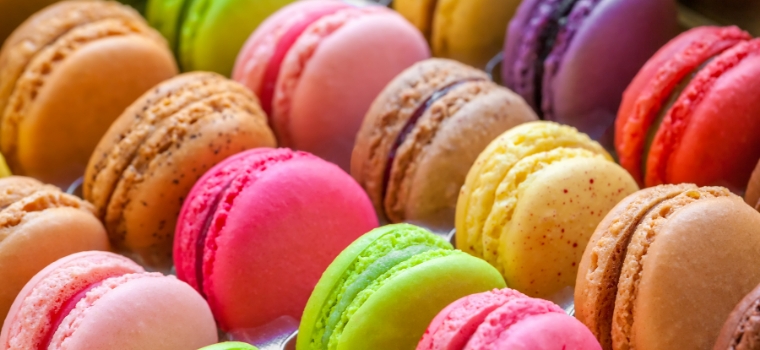
Cultivator Phyto Lab provides the best-in-class food color testing results within fastest turnaround time. The FDA defines a color additive as dye, pigment, or substance which when added to a food, drug or cosmetic, or to the human body, is capable of imparting color. Generally, food color is just edible dye or pigment to give a preferable color to the food or beverage. Mostly these are derived from vegetables, plants, and animals but recently a lot of synthetic food colors have also evolved which are harmful for humans.
Given such a scenario, food colors have been restricted by the national and international statutory bodies like
- Indian Standards (IS)
- American Public Health Association (APHA)
- The Food and Drug Administration (USFDA)
- Food Safety and Standards Authority of India (FSSAI) manuals for analysis
- American Society for Testing and Materials (ASTM)
- Association of Official Analytical Chemists International (AOAC)
- American Oil Chemist’s Society (AOCS)
- American Spice Trade Association (ASTA)
- US-FDA Pesticide Analytical Manual (PAM)
- US-EPA Methods
- International Organization for Standardization (ISO)
- Ayurvedic Pharmacopoeia of India (API)
- Indian Pharmacopoeia (IP)
- Food Chemical Codex (FCC)
- In-house validated methods
And one must clear multiple benchmarks before entering the consumer world. Importantly, manufactures and producers are required to maintain high discretion in use of permitted food colors only in their products.
Let us ponder over the reason why food colors are important in products and how can manufacturers keep their products safe from harmful effects of synthetic food colors.
Reasons for including food colors:
- For visual enhancements of the product.
- For compensating color loss during product processing.
- For enhancing the natural color of the food or beverage.
- For creating festivity and novelty.
How manufacturers can keep their products safe:
By knowing that FSSAI allows the use of the following colorants:
- Carotene & Carotenoids including Beta-carotene, Beta-apo 8′- carotenal, Methyl ester of Beta-apo 8′ carotenoic acid, Ethyl ester of Beta-apo 8′ carotenoic acid, Canthaxanthin
- Riboflavin (Lactoflavin).
- Caramel
- Annatto
- Saffron
- Curcumin or turmeric
Along with these, the following synthetic colors are permitted to be used
- Red from: Ponceau 4R, Carmoisine, and Erythrosine
- Yellow from: Tartrazine and Sunset Yellow FCF
- Blue from: Indigo Carmine and Brilliant Blue FCF
- Green from: Fast Green FCF
Cultivators Phyto Lab extends one-stop, reliable, and assuring natural and synthetic food colors testing. There is an increasing trend worldwide to shift from synthetic to bio colors and the new-age producers must embrace them now.
NEWS AND BLOGS
Find up to date information, news releases, and corporate publications for Cultivator Phyto Lab customers
Biofilm challenges for food manufacturers
A brief overview Biofilms are an umbrella protection of one or more types of microorganism communities that are enclosed together by a matrix-bound of extracellular polymeric substances (EPS). This attachment of microorganisms to any contact surface of food processing...
Detection of Mineral Oil in food products and their harmful effect on public health
mineral oils are a mixture of a complex and diversified compound of saturated and aromatic hydrocarbons known as mineral oil aromatic hydrocarbons (MOAH) and mineral oil saturated hydrocarbons (MOSH), Mineral oil aromatic hydrocarbons (MOAH) fall under the category of poly aromatic hydrocarbon (PAH) while PAH is well established as a cancer-causing agent.

Food fortification
A brief introduction to food fortification Food fortification is one of the major public health concerns to mitigate mass malnutrition in societies. In the present scenario, governments and other agencies very well understand that without a healthy society, it is...