
Ethylene Oxide Residue
Cultivator Phyto Lab is a leading global laboratory providing analytical testing services for diverse range of industries with accurate, reliable, and genuine results with a high turnaround time (TAT). Ethylene oxide has recently become prevalent in a number of industry vertical that includes FMCG, Textile, Medicine, and others.
Ethylene oxide (EO) is a gaseous organic compound commonly used for its antimicrobial and insecticidal properties. Most of the statutory authorities have mandated the test for EO residuals to avoid harmful effects like irritation, mutagenicity, carcinogenicity, organ damage and reproductive side effects. Ethylene oxide is even considered mutagenic and increases chances of cancer in human body. There are set standards for Maximum Residue Limits (MRLs) of EO and 2-Chloroethanol, another toxic compound that can be formed by Ethylene oxide’s presence.
Ethylene oxide is a highly flammable gas that absorbs water readily. It is a man-made chemical and is primarily used to manufacture ethylene glycol (a chemical used to make antifreeze and polyester). It is also used to sterilize medical equipment. It is also used to reduce microbial contaminant loads, yeast and mold, coliforms, and other pathogens. As a pesticide, Ethylene oxide is used instead of high-temperature processes that may damage certain products such as herbs, spices, and seeds.
Cultivator Phyto lab provides complete Ethylene oxide contamination or Ethylene oxide Residue testing with advanced GC- MS technology. The technique assists in measuring the safety level of products by comparing the compliance level with the accepted residual limits. We provide these testing services for a wide range of products such as processed food, raw material, etc.
NEWS AND BLOGS
Find up to date information, news releases, and corporate publications for Cultivator Phyto Lab customers

Biofilm challenges for food manufacturers
A brief overview Biofilms are an umbrella protection of one or more types of microorganism communities that are enclosed together by a matrix-bound of extracellular polymeric substances (EPS). This attachment of microorganisms to any contact surface of food processing...
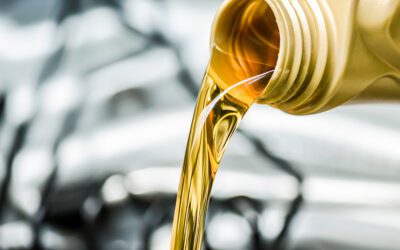
Detection of Mineral Oil in food products and their harmful effect on public health
mineral oils are a mixture of a complex and diversified compound of saturated and aromatic hydrocarbons known as mineral oil aromatic hydrocarbons (MOAH) and mineral oil saturated hydrocarbons (MOSH), Mineral oil aromatic hydrocarbons (MOAH) fall under the category of poly aromatic hydrocarbon (PAH) while PAH is well established as a cancer-causing agent.

Food fortification
A brief introduction to food fortification Food fortification is one of the major public health concerns to mitigate mass malnutrition in societies. In the present scenario, governments and other agencies very well understand that without a healthy society, it is...