
Cholesterol
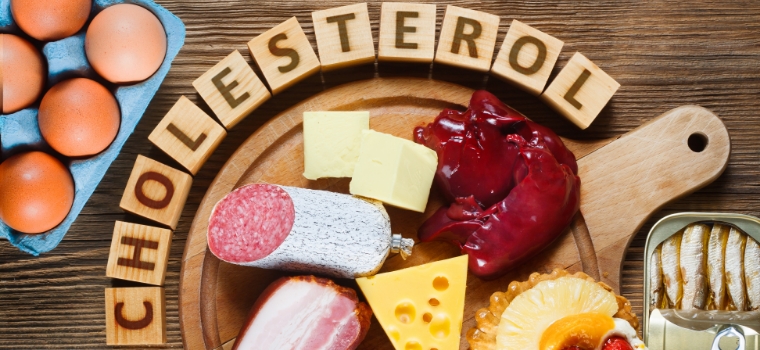
Cultivator Phyto Lab offers both HDL and LDL Cholesterol testing in its state-of-the-art advanced laboratory. The tests conducted by expert professionals and researchers at Cultivator Phyto Lab are accurate, genuine, transparent, and time bound.
Cholesterol is a steroid majorly associated with heart ailments and atherosclerosis. Biochemically, cholesterol is important precursor of naturally occurring steroids in the body. Cholesterol is distributed in cells across the body, and it is a prime constituent of plasma membrane and plasma lipoprotein. Most common types of cholesterol are High Density Lipoprotein (HDL) – generally termed as good cholesterol, and Low Density Lipoprotein (LDL) – generally termed as bad cholesterol. LDL leads to blockages in the arteries because of lipid deposition and HDL removes cholesterol from the blood vessels and reduces chances of heart attacks.
Some of the food products rich in cholesterol are egg yolk, red meat, and whole-fat dairy products amongst others. The Food Safety and Standards (Packaging and Labeling) Regulations, 2011 have regulated a mandate that requires manufacturers to label all nutritional information including cholesterol on the product. Further in this, the amount of cholesterol must be declared in mg (milligram). The professionals at Cultivator Phyto Lab utilize the most up-to-date methods and techniques for analyzing food & beverages for cholesterol content.
NEWS AND BLOGS
Find up to date information, news releases, and corporate publications for Cultivator Phyto Lab customers
Biofilm challenges for food manufacturers
A brief overview Biofilms are an umbrella protection of one or more types of microorganism communities that are enclosed together by a matrix-bound of extracellular polymeric substances (EPS). This attachment of microorganisms to any contact surface of food processing...
Detection of Mineral Oil in food products and their harmful effect on public health
mineral oils are a mixture of a complex and diversified compound of saturated and aromatic hydrocarbons known as mineral oil aromatic hydrocarbons (MOAH) and mineral oil saturated hydrocarbons (MOSH), Mineral oil aromatic hydrocarbons (MOAH) fall under the category of poly aromatic hydrocarbon (PAH) while PAH is well established as a cancer-causing agent.
Food fortification
A brief introduction to food fortification Food fortification is one of the major public health concerns to mitigate mass malnutrition in societies. In the present scenario, governments and other agencies very well understand that without a healthy society, it is...