
Allergen Testing

Cultivator Phyto Lab offer a complete combination of testing program for a variety of allergens and intolerances listed by national and international statutory bodies. The array of tests included are chemical, enzymatic, molecular biological (PCR) and immunological methods (ELISA) to test for proteins, DNA, lactose, and sulphites. We recommend both multi-allergen and single-allergen PCR tests in cases of food products with high sensitivity or high processing requirements. Food allergen testing is important for manufacturers and producers to alert people of the allergies that may happen because of the listed ingredients.
Broadly stating, allergens are substances usually protein that we ingest or inhale but that interact with our immune system in an adverse way, causing allergic reactions. Immunoglobulin E (IgE) is produced when the body comes into contact with these allergens, it is the primary antibody responsible for these reactions.
These allergens are of 2 types:
Inhaled – such as pollen, affect the body and may cause allergic reactions in the lungs or on the membranes of the nostrils or throat.
Ingested – these are generally found in food items such as seafood, soya etc.
Some of the most common allergens we test include cereals containing gluten, Celery, Mollusks (clams, mussels, oysters, scallops, etc.), Mustard, Soy, Seafood crustaceans (crabs, lobsters, prawns, etc.), Milk and dairy products etc.
Quintessentially, manufacturers must get the food allergen tests done as allergic reactions can lead to immediate wheezing, vomiting, and hives, can include stomach upset, eczema, allergic rhinitis, bronchospasm (asthma-like symptoms) and even anaphylaxis (a condition of severe allergic reaction). The state-of-the-art advanced laboratory at Cultivator Phyto Lab ensures time-bound, accurate, reliable, and authentic results.
NEWS AND BLOGS
Find up to date information, news releases, and corporate publications for Cultivator Phyto Lab customers
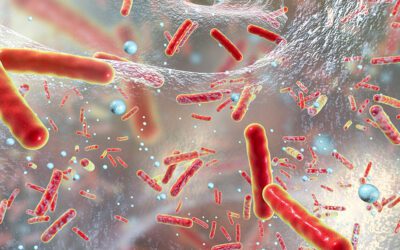
Biofilm challenges for food manufacturers
A brief overview Biofilms are an umbrella protection of one or more types of microorganism communities that are enclosed together by a matrix-bound of extracellular polymeric substances (EPS). This attachment of microorganisms to any contact surface of food processing...
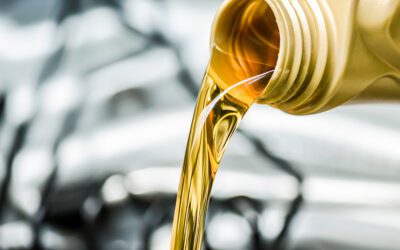
Detection of Mineral Oil in food products and their harmful effect on public health
mineral oils are a mixture of a complex and diversified compound of saturated and aromatic hydrocarbons known as mineral oil aromatic hydrocarbons (MOAH) and mineral oil saturated hydrocarbons (MOSH), Mineral oil aromatic hydrocarbons (MOAH) fall under the category of poly aromatic hydrocarbon (PAH) while PAH is well established as a cancer-causing agent.

Food fortification
A brief introduction to food fortification Food fortification is one of the major public health concerns to mitigate mass malnutrition in societies. In the present scenario, governments and other agencies very well understand that without a healthy society, it is...