
Microbial Analysis
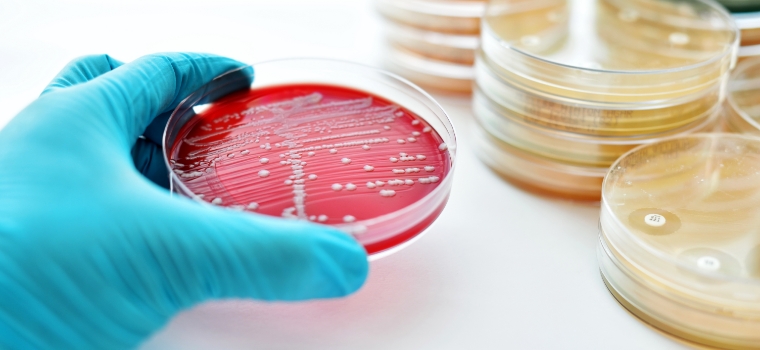
Microbial or microbiological testing is quintessential to understand the composition of microbes, and potential pathogens and spoilage microorganisms. In short, the study of microscopic organisms in food or beverage products is titled a microbial analysis.
The testing also includes the sub-disciplines of microbiology like Virology, Mycology, Parasitology and Bacteriology. Microbes can grow even under extreme circumstances. Therefore, great precautions must be taken into consideration to avoid growth of microorganisms in the product right from manufacturing and packaging to end point delivery. These microbes/ microorganisms can grow even in extreme temperatures. It is crucial that such microbes should be identified in time and the production process should be altered in a way to keep products free from such microbes. Cultivator Phyto Lab identifies the complete microbial spectrum in the provided sample and helps companies steer clear of troubles.
Microbial pathogens such as prokaryotes, eukaryotes, and other bacteria can be harmful to a great extend for human bodies. Microorganism can also lead to several diseases like diphtheria, pneumonia, typhoid, amoebiasis, botulism, cholera, dysentery, and food poisoning. Some of the microorganisms are even immune to antibiotics. It turned into a clarion call for the recent changes in the statutory laws and regulations have made the clinical testing of products mandatory for microbial analysis.
Cultivator Phyto Lab proposes a variety of microbial analysis techniques viz.
- Enzyme-Linked Immunosorbent Assay (ELISA)
- rapid diagnostic test
- Biosensor-based techniques for real-time testing
- DNA-based fingerprinting techniques
- VIDAS testing
We are widely accepted and trusted amongst producers and manufacturers for our state-of-the-art advanced tech-equipped laboratory services. Cultivator Phyto Lab has been offering analysis of various microbial parameters such as Salmonella species, Listeria monocyogenes and species, Escherichia coli, O157:H7, O157, and STECs, Staphylococcus aureus, Campylobacter species, Bacillus cereus, Shigella species, Clostridium perfringens, Cronobacter sakazakii, Pseudomonas aeruginosa. Other common indicators and spoilage organisms screened by the laboratory are Aerobic Plate Count, Yeast & Mold, Coliforms, Enterobacteriaceae, Lactic Acid Bacteria, Alicyclobacillus, Heterofermentative Lactic Acid Bacteria, Spore-forming Mesophilic Aerobic Bacteria, Spore-forming Mesophilic Anaerobic Bacteria, Spore-forming Thermophilic Aerobic Bacteria, Osmophilic Yeast & Mold, Anaerobic Plate Count, and Psychotropic Plate Count. We also deliver services to manufacturers in categories of food & beverage, raw materials, pet food, dietary supplements, probiotics and starter cultures.
NEWS AND BLOGS
Find up to date information, news releases, and corporate publications for Cultivator Phyto Lab customers
Biofilm challenges for food manufacturers
A brief overview Biofilms are an umbrella protection of one or more types of microorganism communities that are enclosed together by a matrix-bound of extracellular polymeric substances (EPS). This attachment of microorganisms to any contact surface of food processing...

Detection of Mineral Oil in food products and their harmful effect on public health
mineral oils are a mixture of a complex and diversified compound of saturated and aromatic hydrocarbons known as mineral oil aromatic hydrocarbons (MOAH) and mineral oil saturated hydrocarbons (MOSH), Mineral oil aromatic hydrocarbons (MOAH) fall under the category of poly aromatic hydrocarbon (PAH) while PAH is well established as a cancer-causing agent.

Food fortification
A brief introduction to food fortification Food fortification is one of the major public health concerns to mitigate mass malnutrition in societies. In the present scenario, governments and other agencies very well understand that without a healthy society, it is...